Virtual Reality, 3D printers, 3D scanners, touch tables, and telepresence technologies will enable learners to connect in real time.
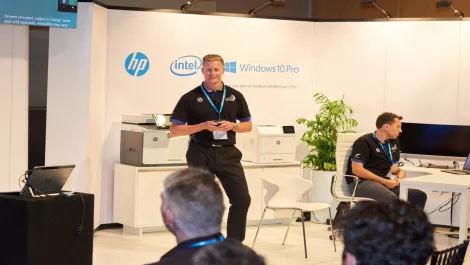
VR to revolutionise industry, a reinvented mobile office, the home of tomorrow and security for all were on show at HP Partner First Forum yesterday.
Technologies enabling DX will drive more than 75% of Kiwi IT spend by 2019 with 50% of all infrastructure and software spend being cloud-based by 2020.
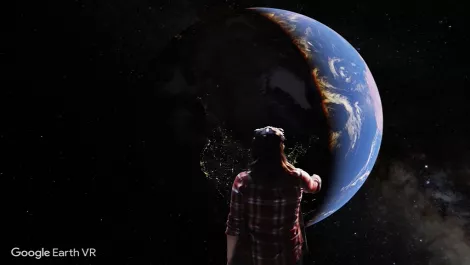
Google Earth VR sends you soaring - a stellar review hails it as the must-have app for HTC Vive owners, calling it a defining moment in virtual reality.
Samsung has introduced the Samsung Galaxy Tab S3 and the Galaxy Book at Mobile World Congress, which kicked off this week in Barcelona.
We're at a huge moment in time for the digital and technology world. With new ideas testing the boundaries, we're entering an exciting new phase.
After a content-starved market introduction, virtual reality (VR) is set to flourish off a swath of new and compelling content choices.
It is anticipated that in 2017, there will be a wave of 360° content making an appearance as brands take the VR plunge.
VR's forecasted £30bn boom could redefine industries beyond entertainment, from automotive design to healthcare.
Vodafone forecasts a tech revolution with cyber security, AR, and diversity at the helm as it champions a more inclusive future.
While the growth of IoT devices is predicted to continue its dramatic growth in AU in 2017, there are still concerns around its security.
IDC has forecasted a 108.3% CAGR over 5 years for the augmented and virtual reality headset market. AR headsets also predicted to gain momentum.
In its 1st year of consumer shipments, virtually reality headsets have got off to a strong start with forecasts predicting 2 million units worldwide.
Microsoft New Zealand has partnered with AR/VR Garage to increase investment in mixed reality technology innovation.
2017 signals 'the beginning of a new technology revolution that will reshape how businesses operate and interact with customers' Forrester says.
Singapore firms hesitate on AR tech, citing security and skill gaps, despite recognising its potential in the workplace, an ISACA study reveals.
More than 200,000 VR headsets were sold in Aussie in 2016 – but the market is being impacted by the number of offerings and lack of killer content.
Digital transformation will attain macroeconomic scale over the next three to four years and the channel will play a big part on the cloud front.
AI & VR are by far this year's on-trend acronyms. But despite being swept up in the hype, Australian business leaders are still hesitant to adopt.
Shenzhen Municipal Government will be working with tech giant HTC to start developing the VR industry in China.