Incident Response stories

Businesses could save about 20% on breach costs if they prepare responses in advance, according to QBE and Atmos claims data.
Businesses are turning to observability software to govern AI traffic and secure hybrid systems, as IDC sees the market rising to USD $4.39 billion by 2029.
Nearly half of organisations now treat mixed on-premise and cloud estates as permanent, with security and cost pressures mounting.
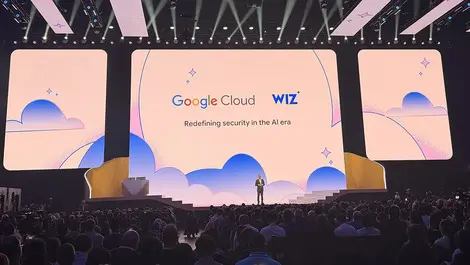
Security teams will gain runtime controls as the pair target fast-moving attacks on human and machine identities in AI workplaces.
Businesses facing faster AI-driven cyberattacks will get new Google Cloud tools to spot threats, block fraud and secure agents across workloads.
Demand for AI agents is driving Google Cloud to broaden its stack with new security tools and eighth-generation Tensor Processing Units.
Despite widespread confidence, only 32% of firms test AI disaster recovery plans monthly, leaving identity and SaaS access exposed to outages.
Check Point Research says a better affiliate payout is helping the gang spread fast, with more than 320 claimed victims since mid-2025.
Analysts can now triage threats and trace outages from inside AI tools, as Elastic’s public preview cuts dashboard switching.
The award could help Fortinet deepen enterprise ties as cloud security buyers seek fewer tools and faster remediation across hybrid environments.
Most respondents still trust consumer chat apps for sensitive work, despite widespread confusion over what encryption does not protect.
Customers were urged to rotate secrets after unauthorised access to Vercel systems exposed a limited set of credentials via a third-party AI tool.
Boards are being pressed to abandon periodic patching as AI models can now uncover and chain software flaws faster than human teams can respond.
Financial regulators are alarmed after Anthropic said Claude Mythos can uncover software flaws at machine speed, raising bank security risks.
The new tools aim to help firms spot faulty AI outputs and data risks sooner as production deployments outpace monitoring methods.
Gaps in visibility are leaving firms exposed, with most finding hidden AI agents in their systems and many suffering incidents.
Greater reporting by English councils has pushed logged breaches up 53% in five years, with serious referrals to the ICO also rising.
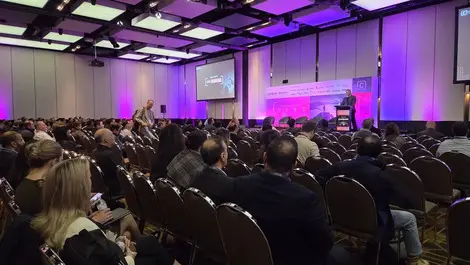
More than 500 senior leaders will gather in Melbourne next July as cyber risk, AI and resilience pressures push security teams to align.
Credential theft is being tackled earlier as Australian organisations face more phishing and automated attacks that can slip past standard defences.
Hospitals are paying up to avoid costly downtime, as criminals exploit known flaws and buy access for as little as USD $2,000.